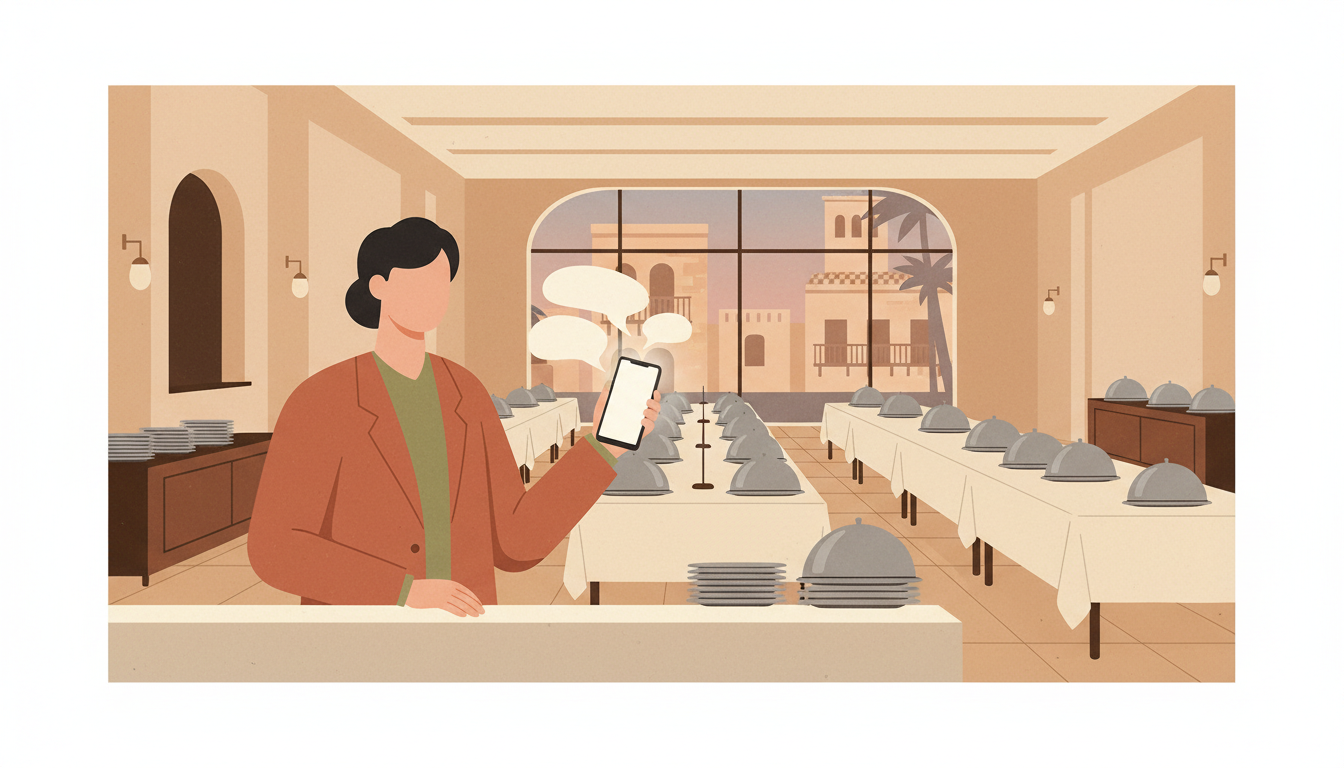
Catering Enquiries on WhatsApp: A Follow-Up System for Beirut Restaurants
Most catering enquiries in Beirut arrive on WhatsApp and quietly disappear. Here is a simple follow-up system that turns them into confirmed bookings.
A catering enquiry is rarely just one message. Someone asks for a quote for a company lunch, goes quiet, replies a week later from a different number, negotiates, then books — or books somewhere else because your reply took four hours. For restaurants in Beirut, where WhatsApp is how almost everyone communicates, the difference between a full calendar and an empty function room is usually the quality of your follow-up.
This article lays out a practical system: where enquiries come from, how to qualify them quickly, what to say at each stage, and how to keep track of it all without a whiteboard and a good memory.
Know where your enquiries come from
Catering leads in Lebanon arrive through a handful of channels, and each needs a slightly different first response:
- WhatsApp directly — a customer messages the number on your Instagram bio or Google listing.
- Instagram DMs — very common for weddings and private events; often starts casually with “salam, do you do catering?”
- Phone calls — still how many corporate clients and older customers enquire, especially for large orders.
- Walk-ins and word of mouth — a regular asks about hosting their daughter's graduation dinner.
Whatever the channel, the goal is the same: get the conversation onto one thread, on WhatsApp, with one person responsible for it. An enquiry that lives half on Instagram and half on a waiter's memory will fall through the cracks.
Qualify in the first reply
The first reply does two jobs: it answers fast, and it collects the details you need to quote. A useful response covers five things — date, headcount, budget or menu range, venue (your place or theirs), and who decides.
Here is a template you can copy:
Ahlan! Thanks for reaching out 🙌 Yes, we do catering for events
from 20 to 200 guests. To send you a proper quote, can you tell me:
1. Date and time of the event?
2. How many guests?
3. At our restaurant or at your venue?
4. Any menu preference — hot mezza, mixed grill, buffet?

I'll get back to you with 2 options today.
Replying within the hour matters. In practice, a team that answers an enquiry in 20 minutes with clear questions looks organised before they have even quoted — and that impression carries into the booking decision.
Follow up without being a nuisance
Most catering enquiries go quiet after the quote. That is normal: people are comparing venues, waiting on their own guests to confirm numbers, or simply busy. Silence is not a no. A simple rhythm works well:
- Day 1: quote sent, with a short menu summary and total per person.
- Day 3: a light nudge — “Any questions on the quote? Dates for September are filling up.”
- Day 7: a helpful extra — a seasonal menu, a photo of a recent setup, or a note that you can adjust the menu to their budget.
- Day 14: one last message — “Should I keep the date on hold, or has it been decided?”
After that, mark it as lost but stay polite; people move events, and a graceful exit today often becomes a booking next season. Two or three short follow-ups is enough — more than that and the conversation stops feeling like service and starts feeling like pressure.
Use the season to your advantage
Beirut catering has clear peaks: graduation season in early summer, Ramadan iftar orders, wedding season, and the December corporate party run. In quieter months, go back through old enquiries. A message like “Salam! You asked about catering last spring — are you planning anything for the summer?” reopens conversations that were never actually closed. If you saved the original enquiry with the date and headcount, this takes minutes instead of an afternoon.
Keep it in one place
The system above only works if you can see it. When every enquiry sits in one person's WhatsApp chats, follow-up depends on that person remembering — and on their phone not being the one that got left at the restaurant.
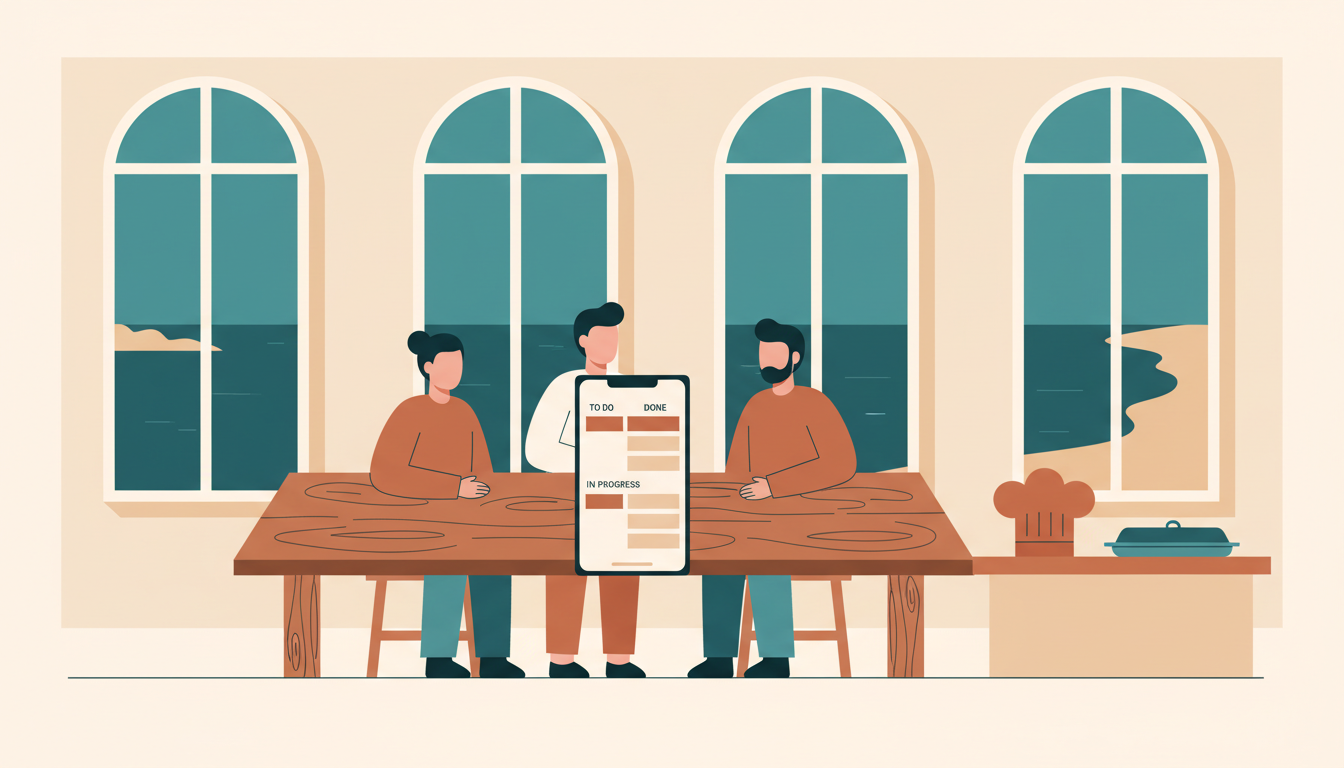
What helps is treating each enquiry like a small deal with a stage: new enquiry, quote sent, negotiating, confirmed, lost. For a restaurant handling a handful of enquiries a week, that can be a shared list or a simple spreadsheet. Once you are past a dozen a week, a CRM earns its keep: leads from WhatsApp and calls land in one pipeline, follow-up reminders fire on the right day, and whoever picks up the shift can see exactly where each event stands. This is the sort of thing LeadsMind is built for — a WhatsApp-first pipeline where a catering enquiry moves through stages and the next follow-up is scheduled, not remembered.
A few rules that keep the pipeline honest:
- Every enquiry gets an owner from the first message.
- Every quote gets a follow-up date the moment it is sent.
- Stages update the same day the conversation moves.
- Confirmed events are logged with final numbers, so next year's quotes are faster and more accurate.
Bring the team along
In most Beirut restaurants, catering enquiries touch everyone: the hostess who answers the phone, the manager who quotes, the chef who prices the menu. Two habits make the system stick. First, agree on who replies and by when — for example, whoever receives the enquiry sends the qualifying questions within an hour. Second, keep a short shared note of standard menu packages and per-person ranges, so nobody is drafting quotes from scratch at midnight.
One more detail: match the language of the customer. Some enquiries start in Arabic, switch to French for menu items, and finish in English. Replying in the same mix is not sloppy — it is what a Beirut customer expects, and it builds trust faster than formal template-speak.
The takeaway
Catering enquiries are won by speed and persistence, not luck. Qualify in the first message, quote fast, follow up on a schedule, and keep every enquiry in one visible pipeline so the calendar fills even when the manager is off. None of this needs a big budget — just a process the whole team follows.
If you want to see this running on your own enquiries, book a demo on Leads Mind and we will show you how a WhatsApp-first pipeline handles catering follow-ups from first message to confirmed booking.